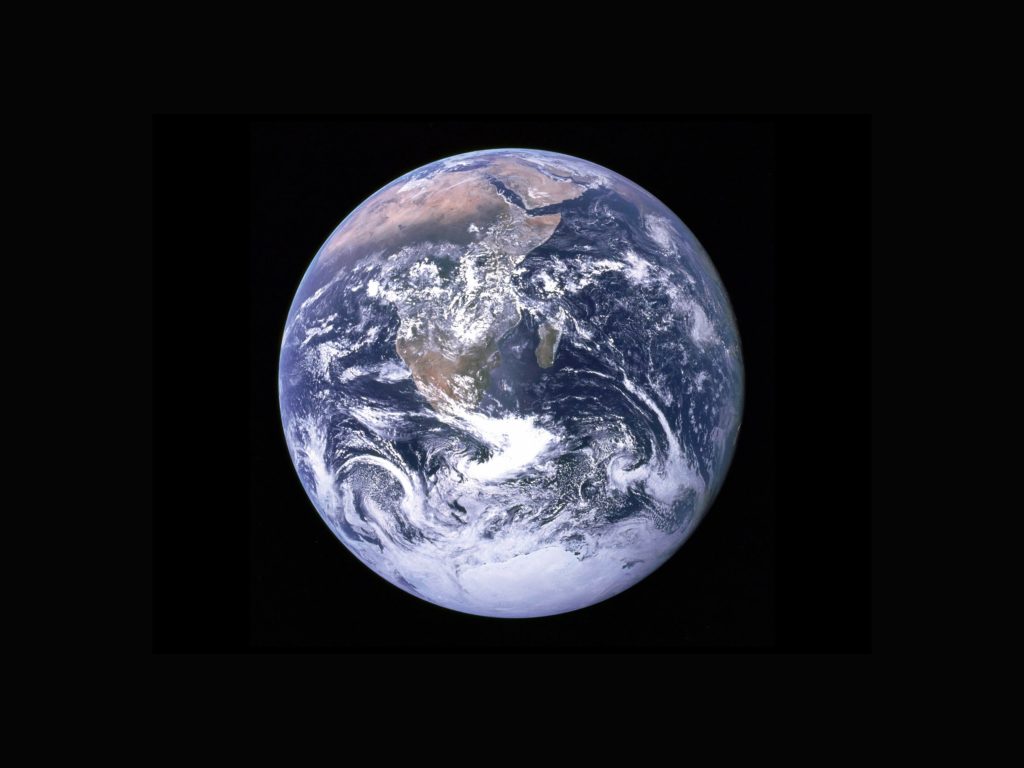
On April 22, the world will celebrate Earth Day under the theme “Invest in Our Planet.” UBC experts are available to comment.
Apr 19, 2023
Canadian researchers measured wildlife overpasses around the world and found 71 per cent in North America are narrower than recommended.
Dec 19, 2022
UBC experts are available to comment on the 15th United Nations biodiversity conference, Conference of the Parties (COP15) which will take place Dec. 7-19 in Montreal.
Dec 6, 2022
New UBC research suggests free-roaming cats are likely to blame in the spread of the potentially deadly Toxoplasma gondii parasite to wildlife in densely populated urban areas.
Nov 10, 2021
From the COVID-19 pandemic to the raging wildfires in Australia and the U.S., scientific evidence shows an increase in planetary environmental emergencies that pose a risk to Canadian and global communities.
Oct 27, 2020
A big data study covering more than 7,500 households across 23 tropical countries shows that natural biodiversity could be effective insurance for rural farmers against drought and other weather-related shocks.
Jun 27, 2019
The ability of invasive plants to rapidly adapt to local climates – and potentially to climate change – may be a key factor in how quickly they spread.
Oct 17, 2013
UBC researchers have apprehended tiny, elusive parasites that have plagued oysters from B.C. to California.
Jul 25, 2013
The Beaty Biodiversity Museum has produced a professionally printed deck of its popular open-source Phylo card game.
Jul 18, 2013
University of British Columbia zoologist Sarah Otto is using her MacArthur “genius grant” toward preserving fragile habitats in the South Okanagan region of British Columbia.
Nov 2, 2012
Two species of single-cell parasites have co-opted “ready-made” genes from their hosts that in turn help them exploit their hosts, according to a new study by University of British Columbia and University of Ottawa researchers.
Jul 18, 2012
The loss of biological diversity is increasingly threatening the planet’s ability to provide humans with life’s essentials: food, water, fodder, fertile soils, and protection from pests and disease, according to a sweeping review of 20 years of research by an international team of ecologists, including biologists from the University of British Columbia.
Jun 6, 2012
Scientists at the University of British Columbia and the Smithsonian Institution have discovered a sensory organ in rorqual whales that coordinates its signature lunge-feeding behaviour – and may help explain their enormous size.
May 23, 2012
The biodiversity loss caused by climate change will result from a combination of rising temperatures and predation – and may be more severe than currently predicted, according to a study by University of British Columbia zoologist Christopher Harley.
Nov 28, 2011
The temperate forests of Canada or Northern Europe may have much more in common with the tropical rainforests of Southeast Asia or South America than commonly believed, according to a research group led by a University of British Columbia ecologist.
Sep 22, 2011
Sarah Otto, a zoology professor and director of the Biodiversity Research Centre at the University of British Columbia, is one of 22 people to be picked for this year’s round of ”genius grants” from the John D. and Catherine T. MacArthur Foundation.
Sep 20, 2011
Inconspicuous “little brown balls” in the ocean have helped settle a long-standing debate about the origin of malaria and the algae responsible for toxic red tides, according to a new study by University of British Columbia researchers.
Jun 1, 2010
The University of British Columbia today officially opened the Beaty Biodiversity Centre, new home to some of the world’s top biodiversity researchers and Canada’s largest blue whale skeleton exhibit.
May 13, 2010
Despite their ability to fly, tropical birds waited until the formation of the land bridge between North and South America to move northward, according to a University of British Columbia study published this week in the Proceedings of the National Academy of Sciences Early Edition.
Dec 9, 2009
An information source that gives journalists access to UBC’s expertise.