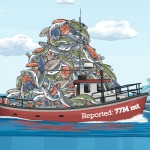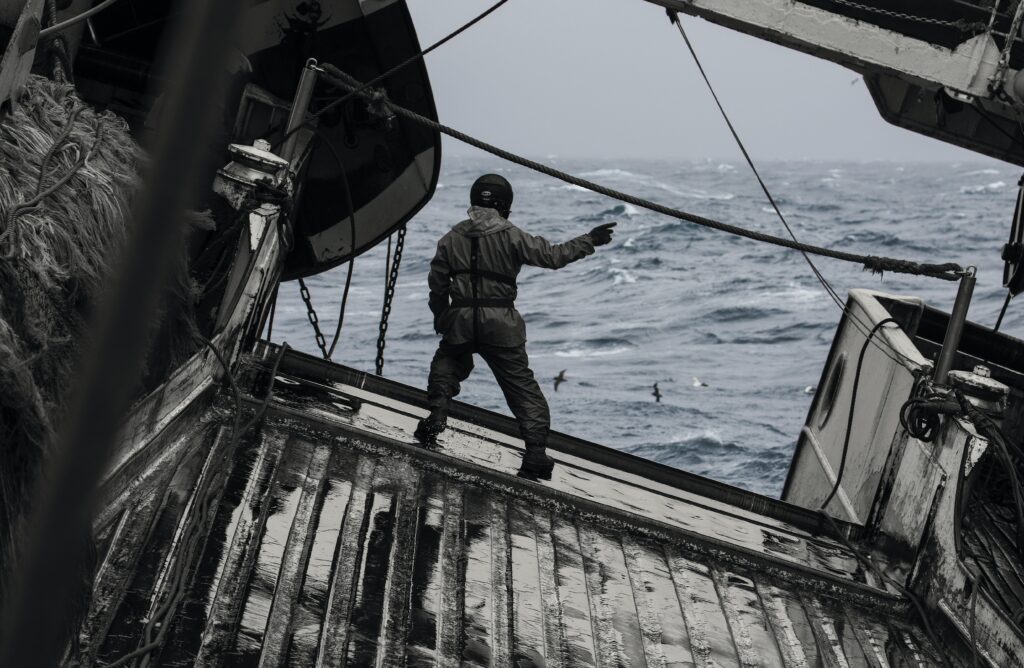
University of British Columbia researchers have identified conservation “hot spots” around the world where the temptation to profit from overfishing outweighs the appetite for conservation.
An international team from the Nippon Foundation-University of British Columbia Nereus program has unveiled the first global model of life in the world’s oceans, allowing scientists and policymakers to predict – and show through 3D visualizations – the state of life in the oceans of the future.
The Great Wall of China is not the only thing you can see from space. Fish farming cages are clearly visible through Google Earth’s satellite images and University of British Columbia researchers have used them to estimate the amount of fish being cultivated in the Mediterranean.
Predatory fish such as cod, tuna, and groupers have declined by two-thirds over the past 100 years, while small forage fish such as sardine, anchovy and capelin have more than doubled over the same period, according to UBC researchers.
Finding alternative feed sources for chickens, pigs and other farm animals will significantly reduce pressure on the world’s dwindling fisheries while contributing positively to climate change, according to University of British Columbia researchers.