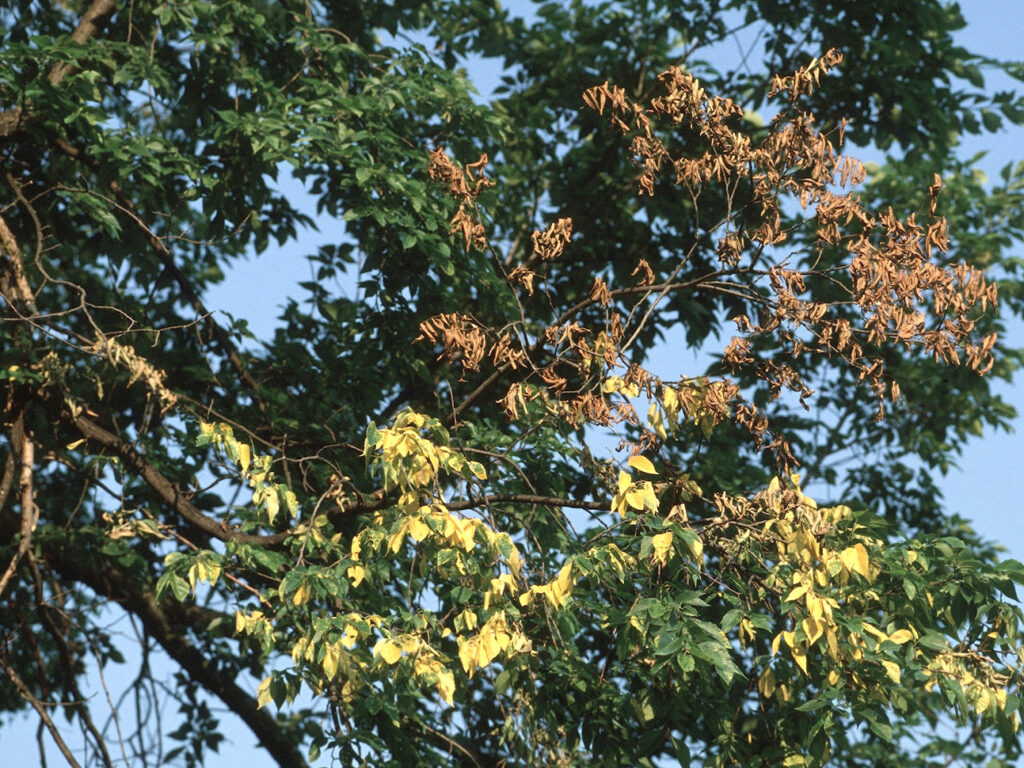
The researchers at UBC’s faculty of forestry hope to validate the concept through future field tests and are enthusiastic about its potential.
Oct 26, 2023
Wastewater testing can accurately and rapidly identify levels of COVID-19 infections in the community, including the rise of variants of concern, suggests new research led by UBC professor Dr. Ryan Ziels.
Jul 12, 2021
UBC’s Dr. William Gibson discusses how human DNA testing could improve outcomes for patients with COVID-19.
Apr 23, 2020
University of British Columbia researchers have identified a gene in balsam fir trees that could facilitate cheaper and more sustainable production of plant-based fixatives and scents used in the fragrance industry and reduce the need for ambergris, a substance harvested from whale barf.
Apr 5, 2012
UBC Neurology Prof. Judy Illes is among 25 international leading researchers recommending the handling of incidental findings in genomic research in a paper published online today in the journal Genetics in Medicine.
Mar 21, 2012
The University of British Columbia’s Wine Research Centre has launched an international collaboration with the Australian Wine Research Institute to sequence the Chardonnay grape genome.
Jan 18, 2012
The genome of the fungus that helps mountain pine beetles infect and kill lodgepole pines has been decoded in a University of British Columbia study.
Jan 24, 2011
The world’s tiniest nuclear genome appears to have “snipped off the ends” of its chromosomes and evolved into a lean, mean, genome machine that infects human cells, according to research published today by University of British Columbia scientists.
Sep 20, 2010
An information source that gives journalists access to UBC’s expertise.