Canadian and Swedish scientists today released genome sequences of two of the most economically important forest trees in the world.
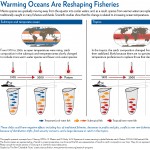
Climate change has been impacting global fisheries for the past four decades by driving species towards cooler, deeper waters, according to University of British Columbia scientists.
The loss of biological diversity is increasingly threatening the planet’s ability to provide humans with life’s essentials: food, water, fodder, fertile soils, and protection from pests and disease, according to a sweeping review of 20 years of research by an international team of ecologists, including biologists from the University of British Columbia.
Scientists at the BC Cancer Agency and University of British Columbia have identified new breast cancer genes that could change the way the disease is diagnosed and form the basis of next-generation treatments.
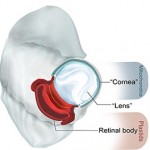
University of British Columbia researchers have uncovered the unique survival mechanisms of a marine organism that may be tiny, but in some ways has surpassed sharks in its predatory efficiency.
Using the Canadian Light Source synchrotron and the Stanford Synchrotron Radiation Lightsource, a team of researchers from the University of British Columbia has shed light on the ryanodine receptor, a structure within muscle cells that has been linked to life-threatening congenital heart conditions.
A team of University of British Columbia researchers has identified fat-producing cells that possess “dual-personalities” and may further the development of treatments for muscle diseases such as muscular dystrophy and fibrosis.
Researchers from the University of British Columbia and Harvard University have co-developed a system that captures on video and barcodes the behavioral responses of zebrafish to chemical compounds on a large scale. The approach could dramatically speed up the discovery of new psychiatric drugs.