UBC researchers have found a new potential use for the over-the-counter pain drug Tylenol. The study suggests the drug may also reduce the psychological effects of the fear and anxiety over the human condition, or existential dread.
An international team led by a neurologist at the University of British Columbia and Vancouver Coastal Health has shown that a combination of aspirin and clopidogrel, both common blood thinners, does not prevent recurrence of a common type of stroke, and may even pose serious risks.
UBC Neurology Prof. Judy Illes is among 25 international leading researchers recommending the handling of incidental findings in genomic research in a paper published online today in the journal Genetics in Medicine.
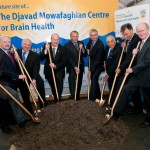
Representatives of the federal and provincial governments today marked the start of construction of a new centre at the University of British Columbia that will unite brain research and patient care. The Djavad Mowafaghian Centre for Brain Health, expected to open in 2013 at UBC Hospital, will bring together experts in the fields of psychiatry, [...]
A neuropathologist at University of British Columbia and Vancouver Coastal Health helped find a genetic abnormality that is the most common cause of two different but related forms of neurodegenerative disease: frontotemporal dementia (FTD) and amyotrophic lateral sclerosis (ALS), also known as Lou Gehrig’s disease.
Less than two months after publishing findings about a new gene linked to late-onset Parkinson’s disease, the same team of scientists at the University of British Columbia and Vancouver Coastal Health Research Institute have discovered another gene responsible for the neurodegenerative disease – providing yet another target for potential treatments.
The University of British Columbia today announced a $15 million gift from Vancouver philanthropist Djavad Mowafaghian for a new facility that integrates brain research and patient care. In honour of his generosity – the largest gift to date to the UBC Faculty of Medicine – the facility will be named the Djavad Mowafaghian Centre for Brain Health.
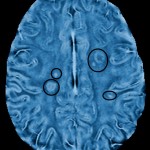
The increasing number of incidental findings in brain imaging can be managed ethically and cost-effectively by screening study participants based on gender, age and family history, according to University of British Columbia researchers.